Highest-Impact Engineering and Applied Sciences
At the Wallace H. Coulter School of Engineering and Applied Sciences, we recognize that engineering and applied sciences are major drivers of economic and societal change. We also recognize that engineers and scientists don’t work in isolation. That is why our education goes well beyond the technical strengths of our engineering and applied science BS degree programs. Yes, our students learn engineering and applied science fundamentals through one of our nine ABET-accredited BS engineering degree programs and one of our four BS applied science programs, but they develop and pursue their passions through research, industry-sponsored design projects, and co-curricular activities. Academic and career advising coupled with industry relevant learning provide opportunities for our students to personalize their education and develop the knowledge, skills and mindset that lead to personal and professional success and an impactful career.
Our Engineering and Applied Sciences Education
STEM forms Clarkson University’s foundation — from our origins to hands-on, problem-solving and solutions-based education. Our approach produces in-demand graduates ready to make an impact from their first day on the job and drive innovation.
We continue to look forward and keep pace with industry needs and technical skills. A Clarkson engineering and applied sciences education not only emphasizes fundamentals and specialized skills but introduces all the practical, business and economic aspects of the field and allows students to personalize their education through co-curricular activities, professional experiences and industry-relevant credentials.
Student Projects in Engineering Experience and Design (SPEED)
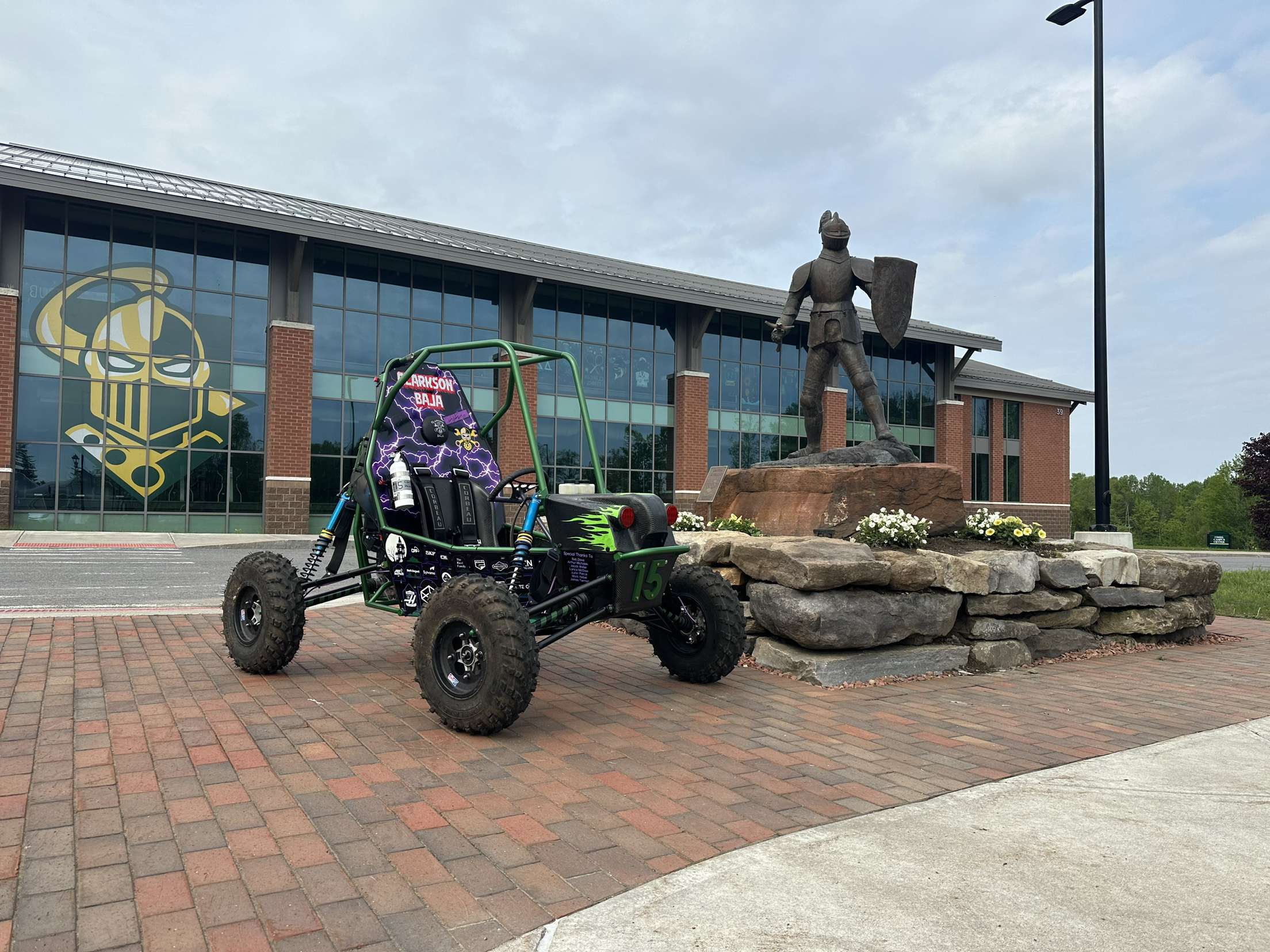
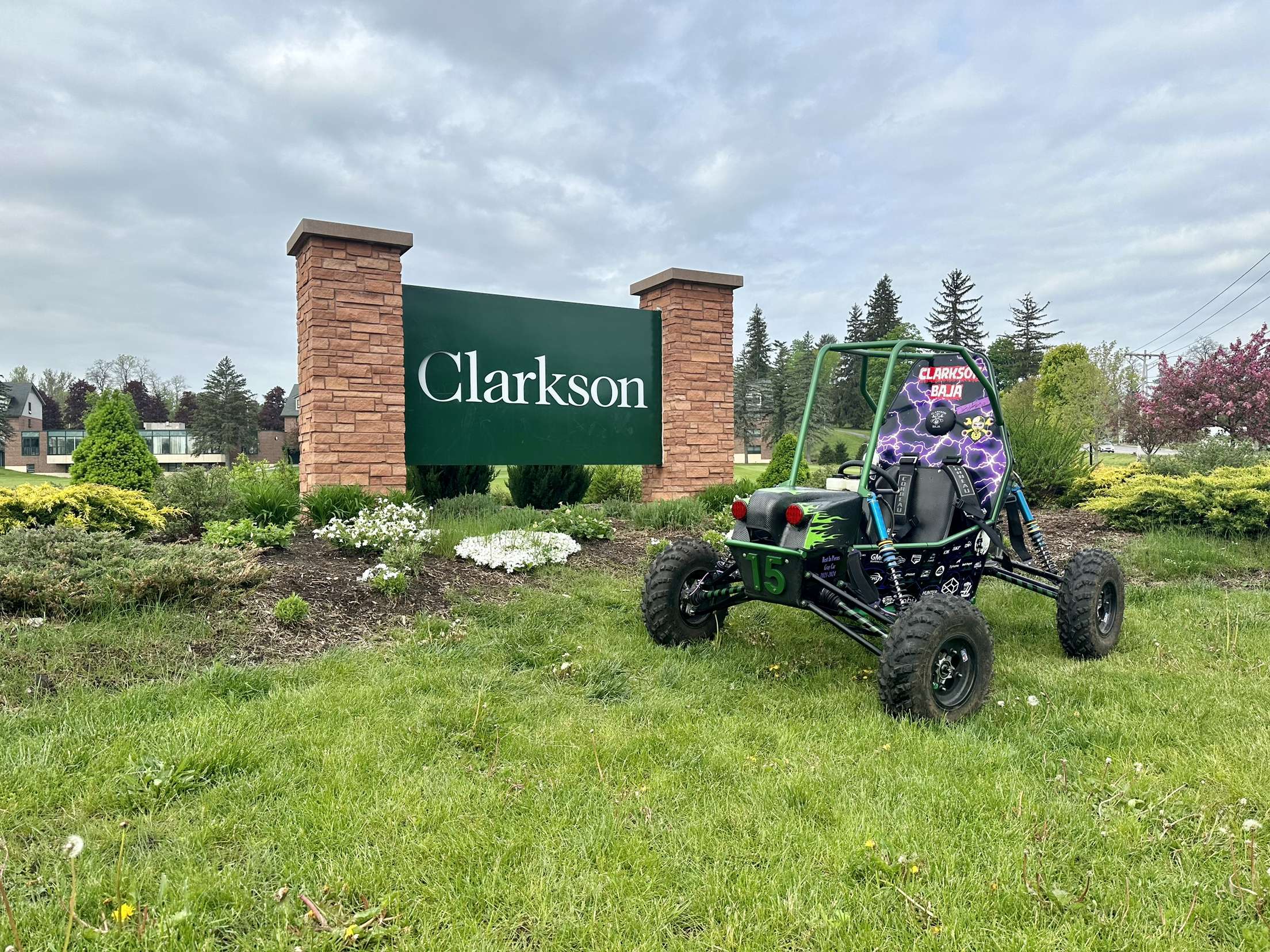
Here at Clarkson, our competitive student teams come together under a unifying department – SPEED, which stands for Student Projects for Engineering Experience and Design.
Whether you’re interested in race cars or robotics, bridge design or aeronautics, joining a SPEED team gives you the competitive edge for your future career. Teams compete in national and international collegiate competitions, giving students hands-on, collaborative experience. Every engineering and applied sciences student can find and join a team (or two) that interests them.
Providing an Industry-Focused Engineering and Applied Sciences Education
Input From Industry Experts
All Coulter School of Engineering and Applied Sciences programs have industry advisory councils. As a result, our undergraduate and graduate degrees reflect the latest industry trends in terms of technical competencies and expose students to essential business, project management, interpersonal and communication skills.
Co-Curricular Opportunities
See engineering and science concepts in action through team-based research and design projects and co-curricular learning opportunities intended to develop industry-relevant knowledge in the areas of project leadership, the latest cutting-edge technologies and engineering and science business.
Professional Experiences
Clarkson is a community of motivated doers ready to apply their knowledge to new challenges and uncover innovative solutions. Required for all engineering and applied science students, Professional Experiences highlight what they’re learning in the real world and showcase engineering and science as essential problem-solving tools. Students further benefit from our school’s close relationship with the Parker Career Center in finding internship placements.
Advising
Through guidance from academic and career advisors, get the most out of your education and accelerate your personal and professional success. This, plus our approach to engineering and applied science education, is why close to 200 companies come to campus to recruit our students.
Engineering’s Vital Role
Hear from our alumni at Corning Incorporated on why engineering and engineers are essential for shaping our future. Watch the video below.
Undergraduate Engineering Programs
Four departments house nine ABET-accredited undergraduate engineering degree programs. If you haven’t decided which degree program is right for you, start with our Engineering Studies Program, designed to point undecided students toward a discipline-specific engineering major. At Clarkson, students may pursue double majors, minors, concentrations and tracks. Then, roll up your sleeves to devise innovative solutions and see what you’ll do in the field through internships and co-ops.
Undergraduate Applied Sciences Programs
Four departments house seven undergraduate applied sciences degree programs. At Clarkson, you may pursue double majors, minors, concentrations and tracks, as well as exploratory programs like Science Studies and University Studies. Then, roll up your sleeves to devise innovative solutions and see what you’ll do in the field through internships and co-ops.
Graduate Engineering Programs
Chart your career and grapple with new challenges in research-based master’s and PhD programs. Or, propel your career forward through our graduate engineering programs for working adults.
Graduate Applied Sciences Programs
Solve tomorrow’s global issues today through our research-based master’s and PhD programs. Or, propel your career forward through our graduate applied sciences programs for working adults.

Industry-Relevant Credentials
Engineers and scientists are lifelong learners, expanding their knowledge base to drive advancement, get familiar with current and emerging technologies and explore new applications of their skills. Geared toward current Clarkson students, alumni and working professionals, our Industry-Relevant Credentials serve two purposes. Current Clarkson students can personalize their degrees and highlight their skills with an industry-respected certification badge. Alumni and working professionals have the opportunity to upgrade their skills as industries, technologies and applications evolve.
Departments
Across all departments, we promote an inclusive environment that encourages collaborative student work, great student-faculty interactions, engagement with engineering and manufacturing professionals through site visits and field trips and community outreach that embraces “Technology Serving Humanity” by listening to the customer in order to give them better solutions.
Learn By Doing
Applications of engineering and applied science principles begin in the classroom, extend through research opportunities on campus and beyond and pave the way toward entering or advancing in the global workforce. Learn more about the hands-on opportunities available to engineering and applied sciences students:
Research
Access real-world, cutting-edge research opportunities as an undergraduate student at Clarkson. Many of our faculty members open their labs and sponsored research projects to those interested in learning and contributing. Our graduate students, meanwhile, guide new developments with faculty and through their theses projects.
Service Learning
We see engineering and science as tools designed to transform and advance the world. Our students meet the challenge by devising sustainable solutions in their respective disciplines and by participating in K-12 outreach organizations, such as the Clarkson chapter of the American Institute of Aeronautics and Astronautics, which conducts a Micro RC Fly-In for local high school students.
Facts & Stats
$17 Million
in Research Dollars
Top 30
Best Schools for STEM Degrees
97%
Total Undergraduate Placement, Class of ’24
26 Goldwater Scholars
In the past 20 years, 26 Clarkson students have been named Goldwater Scholars – a rate among the highest in the country